
Jindřiška Nováková 14 years old victim…
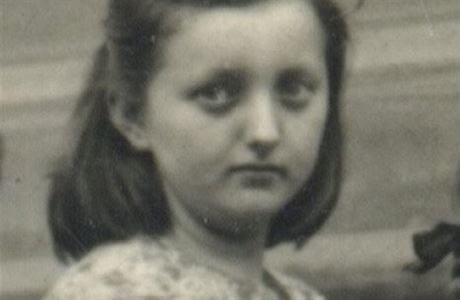
Jindřiška Nováková was a child of the resistance.
She was fourteen years old.
She was a good daughter who listened to her mother.
That was enough for the Nazi regime to murder her.
Her story belongs to the core human cost of Operation Anthropoid—not as a marginal episode, but as a central truth about how far the reprisals reached.

A Resistance Family
Jindřiška Nováková was born on 6 May 1928 to Václav and Marie Novák. She was the youngest child in a strongly patriotic family. Before the war, the Nováks lived in northern Bohemia in the borderlands later annexed after the Munich Agreement. Like thousands of Czech families, they were forced to leave and resettled in Libeň, a working-class district of Prague.
The Novák family were active in the Sokol movement and closely connected to the domestic resistance. Their household became part of the network that provided shelter, medical help, and logistical support to parachutists sent from Britain.
For Jindřiška, resistance was not ideology.
It was everyday family life.
The Day Everything Changed
On 27 May 1942, after the assassination attack on Reinhard Heydrich, Jan Kubiš reached the Novák household severely wounded. Jindřiška returned home from school to find a bleeding man in their kitchen while her mother was treating his injuries.
Kubiš explained that he had been forced to abandon his bicycle near the corner by the Libeň synagogue during his escape.
Marie Nováková asked her daughter to go and retrieve it.

“That Bicycle Belongs to My Father”
Jindřiška obeyed without hesitation.
She was told to avoid the main streets and, if questioned, to say that the bicycle belonged to her father, who had been injured. She followed the instructions exactly.
Two women noticed her taking the bicycle and asked why she was removing it. Calmly, as agreed, Jindřiška answered that it was her father’s bicycle. She brought it home and left it in the courtyard, where it was later taken away by another resistance contact.
At that moment, she had done everything right.
Gossip, Fear, and the Gestapo
In the days following the assassination, Prague lived under terror. The Gestapo launched a massive manhunt. Witnesses who had initially remained silent began to fear punishment for not reporting sooner.
Rumors spread. Anonymous letters followed.
Hundreds of young girls and women from Libeň were detained and interrogated. Jindřiška was among them. She remained calm, did not contradict herself, and did not betray anyone. None of the witnesses identified her.
She was released.
Only temporarily.
Betrayal and Arrest
The situation changed completely after Karel Čurda betrayed the resistance and reported to the Gestapo. Names, addresses, and family connections were revealed.
On 9 July 1942, the Gestapo arrived for the Novák family. They were taken to Petschek Palace, interrogated, and tortured. Marie Nováková endured extreme pressure but did not break.
The fate of the family was already sealed.
Mauthausen Concentration Camp – Final Station
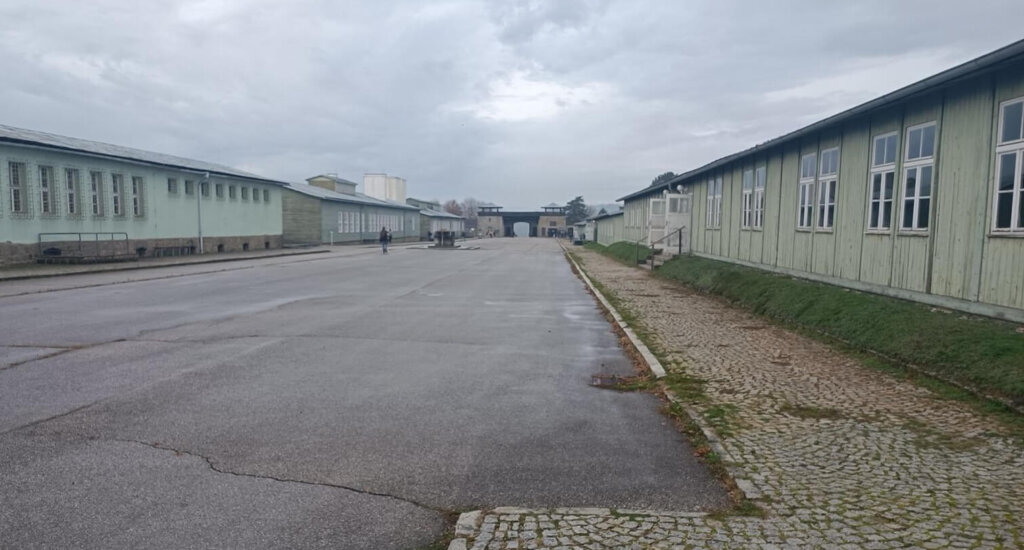
On 23 October 1942, the Novák family was transported to Mauthausen Concentration Camp, which served as an execution center for Czech resistance supporters and their families.
There were no trials.
Executions followed immediately.
On 24 October 1942 at 11:12, Jindřiška Nováková was shot. She was fourteen years old and remains the youngest known Czech victim executed in Mauthausen in connection with Operation Anthropoid.
Her parents were executed shortly afterward.
Mauthausen was not imprisonment.
It was a final station.
The Jindřiška Nováková Memorial in Libeň
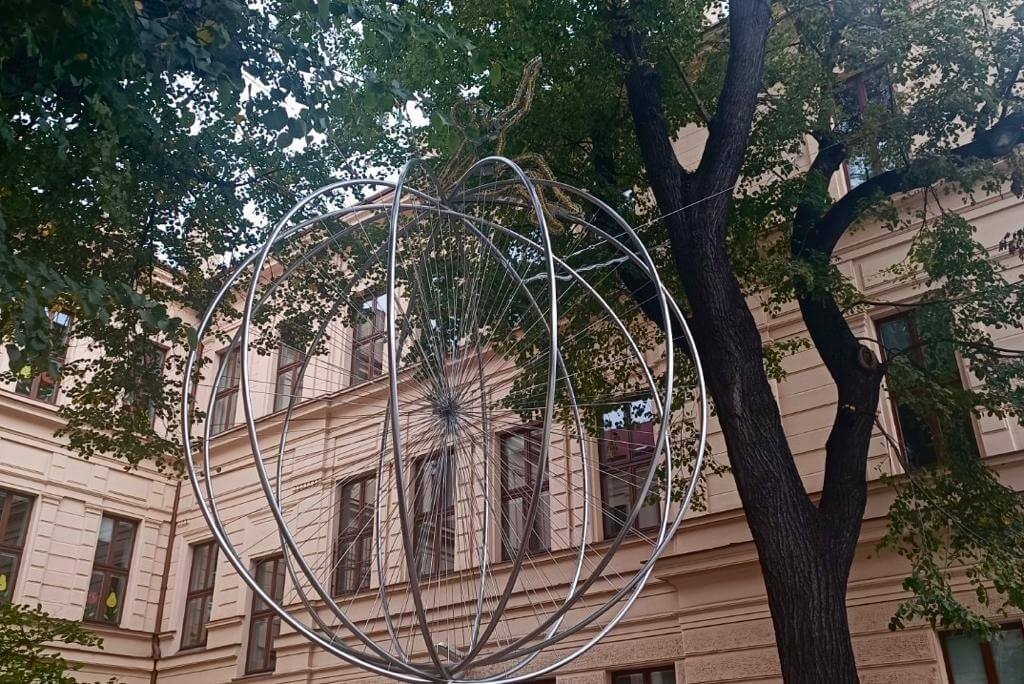
Today, Jindřiška Nováková’s name has returned to Libeň.
A memorial dedicated to her stands at the school she attended, deliberately placed in a space associated with childhood, learning, and everyday life. Near the area where the abandoned bicycle set these events in motion, the memorial restores her identity to the district where she lived and studied.
It reminds us that resistance was not confined to weapons and safe houses—but lived inside families, and sometimes carried out by children.
Why Jindřiška Nováková Matters
Jindřiška Nováková did not die because of what she did.
She died because she belonged to a family that resisted.
Her life and death show how deeply Nazi reprisals after Operation Anthropoid reached into ordinary households—and how even children became targets of collective punishment.